The Van Earthquake, A Politics of Disaster
Mahabadi
·
04.11.2011 · 54 views
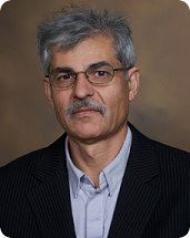
Rudaw.net - DR. AMIR SHARIFI -
After a catastrophic 7.2 earthquake struck the Kurdish areas in East Turkey on October 23, sending shock waves into neighboring countries, the world has been alarmed and saddened by the destruction and anguish the tremor has left behind, claiming over 1000 lives with the death toll on the rise, injuring thousands, trapping and burying many more alive under crumbled buildings. Thousands of grieving survivors are now homeless, exposed to freezing conditions. An objective assessment of the disaster is yet to be made, but local authorities in the affected areas have spoken of massive destruction.
After Prime Minister Erdogan toured the earthquake area by helicopter on Monday to assess the damage, he said that in a village, most houses made of clay bricks had been flattened by the earthquake, unknowingly admitting a harsh reality, that on the margins of Turkey lies a vulnerable region, an earthquake prone area where building codes are a myth, where the relation between Ankara and its impoverished, underdeveloped Kurdish provinces is tenuous as if they were two worlds apart. In responding to the supportive and sympathetic international community, the Turkish prime minister confidently declined international relief aid by governmental and non-governmental agencies, giving rise to skepticism about his motivations in so doing.
Ironically he did so even before a thorough assessment of the severe damages. Now he has to face quizzical people and skeptics why he flatly and prematurely rejected assistance at a time that concerted, coordinated, and multilateral efforts of experienced international relief organizations could help rescue survivors, recover bodies, and provide search teams, aid, and supplies. This decision could not be without political implications. On the one hand, it undermined the magnitude of the earthquake by stressing Turkey’s capabilities to handle the situation independently; on the other hand, it undermined the momentum and importance of timely international relief and rescue operations. It is now clear that the prime minister overstated his country’s capability to expeditiously respond to the crisis and implement relief operations quickly enough, prompting family and community members to assume the responsibility of trying to rescue their fallen family members and friends with bare hands initially while some areas were and are still waiting for relief and rescue operations and materials.
While the prime minister’s posture may bolster the international standing of Turkey, skeptics are prone to think that this domestic policy was meant to restrict access to the affected areas; an earthquake of such magnitude poses challenges to any state and raises questions particularly for a state that has historically invested very little in the development of an area that remains one of the most impoverished regions in Turkey; as a corollary, this state of affairs was expected to be drawn into politics of disaster as expectations come into conflict with one another reflected in comments by the survivors of the earthquake interviewed on the Zagros TV. The interviewees openly criticized the Turkish state for rejecting international assistance as they bitterly complained about lack of efficiency in rescue operations, relief efforts and distribution of aid materials. Delays and inconsistencies in relief efforts and distribution are now creating tensions between the Turkish and Kurdish local authorities in the Kurdish city of Van where Kurdish officials accuse the Turkish local authorities of disparity in launching fair distribution of relief aid and materials among the devastated communities. The focus should be on managing the relief crisis and long term reconstruction rather than politics.
Great misfortunes and calamities bring out the best sentiments in us as human beings as we become aware of our universal human condition beyond our differences and boundaries. Thousands of people are in dire need of food, shelter, and other necessities of life in the affected areas. Regional and international relief organizations and donor states (apparently so far offers of help by Kurdish Regional Government, Iran, Azerbaijan, and Bulgariahave been accepted) should be invited to provide and use their resources and capabilities for the rescue operations and rehabilitations of the earthquake struck areas. Failure to do so would only add to the misery of the victims thereby creating and intensifying political tensions in a non-political situation, turning a natural disaster into a political one.
* Amir Sharifi is President of Kurdish American Education Society (KAES) in California.