Deutsche Welle: Kurdish activists are supporting the current uprising against Syrian President Bashar al-Assad, but fear that their people's demands for autonomy are going unanswered in the midst of the struggle.
Barkhodan Balo walks slowly through the Kurdish refugee camp near the Syrian-Iraqi border. She fled here with her family in 2005. The 20 year old lives among the 300 refugees in homes with plastic tarps and latrines down the road.
"In the winter it's very, very cold," she says. "In the summer, it's very, very hot."
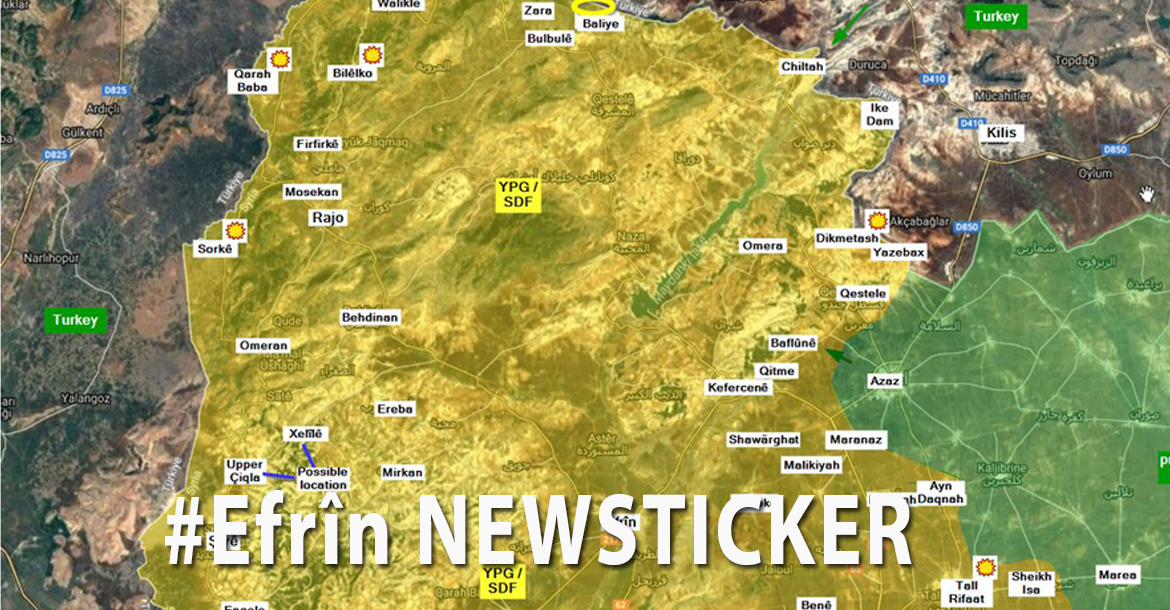
Kurds, who make up about eight percent of Syria's 22 million people, have long faced discrimination and repression in Syria. The Kurdish area lies along the strategic borders with Iraq and Turkey, and is also home to Syria's oil production.
The uprising against President Bashar al-Assad in Syria has now lasted over seven months, with neither the government nor opposition able to defeat the other. Syria's Kurdish minority have the potential to play an important role in the country's political future, but the Kurds are politically divided.
Like many young Kurds, Balo is a strong supporter of the current uprising. She wants democracy for all Syrians but also more rights for Kurds. Balo worries that the opposition, dominated by Islamists, doesn't support Kurdish demands for local autonomy.